Morocco weddings are among the most colorful, emotional, and elaborate celebrations in North Africa. They are not only ceremonies that unite two people, but also social events that bring together families, neighbors, friends, and entire communities. In Morocco, marriage is seen as a major life milestone, and the wedding is treated as a public celebration of love, family honor, tradition, beauty, hospitality, and cultural identity. With Marrakesh Wedding, although modern Moroccan weddings can vary between regions and families, they often preserve many customs that have been passed down through generations.
Morocco weddings are usually more than a single event. Traditionally, it could last several days, sometimes even a full week, depending on the family’s means and the local customs. Today, many urban celebrations are shorter, often lasting one or two days, but they still keep the spirit of the older celebrations. The wedding is carefully prepared, with great attention given to clothing, music, food, decoration, gifts, photography, and the order of rituals. Every detail has meaning, and each stage reflects the importance of family and community in Moroccan society.
One of the most important moments before Morocco weddings is the engagement. During this stage, the groom’s family formally asks for the bride’s hand in marriage. This meeting is not only about the couple, but also about the two families. They discuss the marriage, dowry, wedding arrangements, and expectations of both sides. In Moroccan culture, marriage is often understood as the union of two families, not simply individuals. Even when the bride and groom have chosen each other freely, the approval and blessing of the families remain deeply valued.
A famous ritual before Morocco weddings is the hammam ceremony. The bride traditionally visits the public bath with close female relatives and friends. This is both a cleansing and a joyful gathering. There is a symbolic meaning in the hammam because it represents purification before entering a new stage of life. Women may sing, laugh, offer advice, and celebrate the bride as she prepares to become a wife. In some families, ceremony of the hammam is simple and intimate, while in others it is more festive and organized with special products such as black soap, henna, rose water, oils, and perfumes.
Another essential tradition in Morocco weddings is henna, which has a long history in Moroccan culture and is associated with beauty, protection, good fortune, and blessing. During this ceremony, a dedicated artist decorates the bride’s hands and feet with detailed patterns. The designs often include floral and geometric motifs. Older women may sing traditional songs and offer prayers for happiness, fertility, prosperity, and protection from envy.
The bride usually wears a special green or richly decorated outfit during this ceremony, because such color is commonly associated with blessing and good luck. The henna night is usually emotional, as it marks the bride’s final moments before the official wedding celebration. The bride is the central figure of Morocco weddings, and her clothing is one of the most spectacular parts of the celebration. A traditional Moroccan bride often wears several outfits during the wedding night.
These dresses are called caftan, and they are made from luxurious fabrics such as silk, velvet, brocade, or satin, while being usually embroidered with gold or silver thread and decorated with beads, crystals, or fine details. Each outfit may represent a different Moroccan region or cultural style. The bride may wear a Fassi outfit from Fez, a northern style from Tetouan, an Amazigh-inspired dress, a Saharan outfit, or other regional costumes depending on her family background and personal preference.
The changing of the bride’s outfits is usually managed by a traditional wedding assistant, playing a very important role in Morocco weddings. She helps dress the bride, prepares her jewelry, organizes entrance, and guides her through the traditional rituals. She often brings special chairs, decorations, crowns, belts, and accessories, while being responsible for presenting the bride in a majestic and elegant way. In many weddings, the bride appears almost like a queen, sitting on a decorated platform while guests admire her beauty and take photographs.
One of the most memorable traditions in Morocco weddings is the decorated chair or platform on which the bride, and sometimes the groom, is lifted by men while music plays and guests cheer. This moment is full of excitement and energy. The bride sits gracefully while being carried around the room, often smiling, waving, and enjoying the attention of the guests. The groom may also be lifted in a similar way, creating a joyful and symbolic moment that celebrates the couple’s new status. The platform reflects honor, celebration, and public recognition of the marriage.
Music is another central element of Morocco weddings. The type of music depends on the region, family taste, and budget. Some celebrations feature traditional Andalusian music, chaabi, dakka Marrakchia, Gnawa, Amazigh music, or modern Moroccan pop. Live bands are common, and the rhythm of the music encourages guests to dance for hours. Women often perform the traditional ululation to express joy and blessing. Dancing is not just entertainment, but a way for guests to participate in the happiness of the couple and show their support for the families.
Food is also a major part of the Morocco weddings experience. Moroccan hospitality is famous, and such celebrations are occasions where families try to honor their guests with generous meals. The menu often includes famous dishes such as pastilla, roasted lamb, chicken with preserved lemons and olives, couscous, tajines, seasonal fruit, pastries, and mint tea. In many weddings, meals are served in large shared dishes, reflecting the communal nature of Moroccan dining. Guests are treated with care, and the quality as well as abundance of food are seen as signs of respect and generosity.
Sweets and tea are especially important in Morocco weddings. Moroccan pastries such as kaab el ghazal, briouats with almonds, ghriba, fekkas, and other delicate sweets are often served with mint tea. These treats are not only delicious but also symbolic of sweetness and good fortune in the couple’s new life. The tea service itself can be ceremonial, with beautiful teapots, decorated glasses, and elegant trays. The act of serving tea reflects warmth, hospitality, and refinement.
The groom also has his own role in Morocco weddings, although the bride is usually the main visual focus. He may wear a traditional white djellaba, a jabador, or a formal suit, depending on the style of the celebration. In some ceremonies, the groom changes clothes too, especially if the couple wants to represent different Moroccan traditions. He participates in the entrance, platform, photo sessions, and final moments of the celebration. His family is also deeply involved, welcoming guests and showing pride in the marriage.
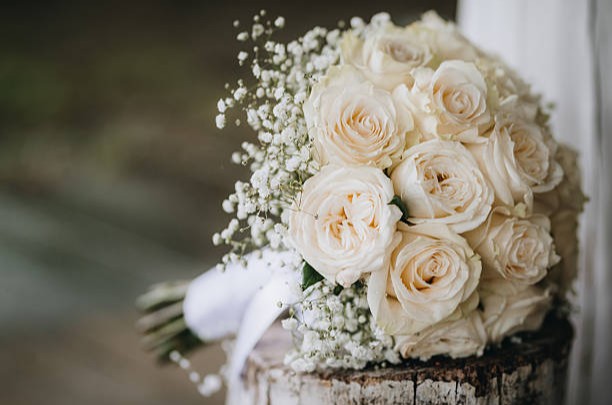
Morocco weddings differ across regions. In cities such as Casablanca, Rabat, Marrakesh, and Tangier, celebrations may combine traditional rituals with modern luxury. They often take place in halls, hotels, villas, or large event spaces. Decorations may include flowers, candles, carpets, golden chairs, and elegant lighting. In rural areas, weddings can be more communal and may take place in family homes, courtyards, tents, or village spaces. Regional customs are especially strong in Amazigh, Saharan, northern, and mountain communities, where clothing, music, language, and rituals may differ from urban Arab-Moroccan traditions.
Amazigh weddings, for example, often include distinctive jewelry, colorful woven garments, rhythmic music, and dances that express group identity. In some areas, the wedding songs tell stories about love, separation from the bride’s family, and the beginning of a new household. In Saharan Morocco weddings, clothing, music, and ceremonies may reflect Hassani culture, with elegant flowing garments, poetry, and specific social customs. These regional differences show the diversity of Morocco and richness of its cultural heritage.
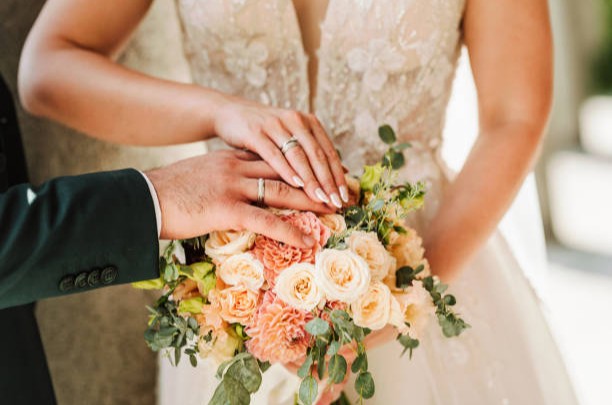
Modern Morocco weddings have changed in many ways. Some couples prefer smaller celebrations, especially because large ceremonies can be expensive. Others choose a mix of Moroccan and international styles, such as a white wedding dress, a Western-style cake, modern photography, DJs, and choreographed entrances. Social media has also influenced weddings, as couples often want beautiful photos, videos, and carefully designed decorations. However, even very modern weddings usually keep at least some traditional elements, such as henna, caftans, music, family blessings, and Moroccan food.
The cost of a Morocco weddings can vary greatly. A simple family celebration may be modest, while a large wedding in a major city can be very expensive. Families may spend a lot on the venue, assistant, dresses, jewelry, food, music, photography, and gifts. Because weddings are socially important, some families feel pressure to organize a celebration that reflects status and honors their guests. At the same time, many young couples today prefer practical choices and may try to reduce expenses or focus more on the meaning of the marriage than the size of the event.
At the heart of Morocco weddings is the idea of blessing. Every ritual, from henna to music, family gathering and shared meal, expresses hope for a happy and stable marriage. The wedding is a public moment of joy, but it is also a deeply emotional transition. For the bride, it may represent leaving her family home and beginning a new chapter. As with the groom, it represents responsibility and the creation of a household. Concerning families, it represents connection, continuity, and pride.
Morocco weddings remain powerful symbols of culture because they combine beauty, spirituality, emotion, and community, being celebrations where the past and present meet. A bride may wear ancient styles of dress while entering a modern wedding hall. A band may play traditional rhythms as guests record videos on their phones. Families can follow old customs and adapt them to new lifestyles. This mixture is what makes Moroccan weddings so special. They are not frozen traditions, but living ceremonies that continue to evolve while keeping their deep cultural meaning.
Morocco weddings are much more than decoration, clothing, music, and food, but a celebration of belonging. They show how important family ties are in Moroccan life and how deeply people value hospitality, beauty, and shared happiness. Whether simple, big, rural, urban, traditional or modern, a Moroccan wedding carries the same essential message, where two people are beginning a life together, and the community gathers around them to bless that beginning with joy, generosity, music, and love.