Weddings in Marrakech Morocco has long been one of the Kingdom’s most magnetic choices. Set against the rose-colored walls of the old medina and framed by the snow-dusted Atlas Mountains in the distance, the city offers a kind of atmosphere that feels naturally ceremonial. A wedding in Marrakech is often described as a celebration not just of two people, but of place, with the scents of orange blossom and mint tea, rhythm of drums spilling into narrow streets, glow of lanterns in courtyards, and the way evenings arrive with a sudden softness after the heat of the day.
One of the biggest reasons couples choose weddings in Marrakech Morocco is the variety of settings. Some ceremonies unfold in traditional riads, the historic courtyard homes tucked inside the medina, in which a wedding can feel intimate and cinematic, with guests gathering around tiled fountains, carved cedarwood doors, and walls dressed in zellige mosaics. The space is usually enclosed, which creates privacy and a sense of being in a hidden world. Other couples prefer palatial hotels or resorts that combine Moroccan design with large-scale event facilities.
For weddings in Marrakech Morocco, these venues can handle bigger guest lists, elaborate staging, and late-night festivities while still feeling unmistakably local through architecture, gardens, and décor. Beyond city, the surrounding landscape opens up even more options, with desert-adjacent camps in case of a starlit celebration, olive groves for outdoor ceremonies, or estates with panoramic views where the light at sunset seems tailored for photography. With Marrakesh Wedding, the atmosphere of is often built through sensory detail.
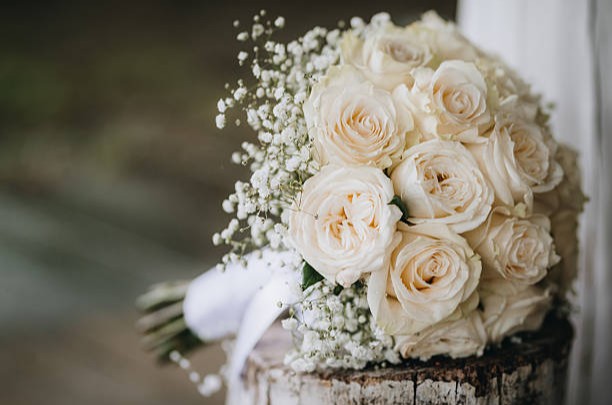
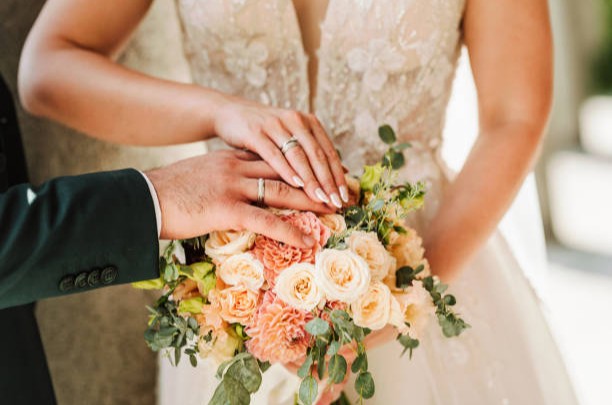
Once you consider weddings in Marrakech Morocco, décor tends to be rich and layered, but not necessarily complicated. The city lends itself to textiles, warm metals, candlelight, and a palette that can shift from jewel tones to desert neutrals depending on the season and the couple’s taste. Lanterns, rugs, low seating, and floral arrangements featuring roses, palm fronds, as well as seasonal greenery are common, and the result can feel both luxurious and welcoming. Even a simple setup can look opulent because the architectural backdrops do so much work, with arched doorways, stucco patterns, and courtyards designed to catch light and shadow.
Food is another defining part of weddings in Marrakech Morocco. Meals are designed for abundance, making the feeling that every guest is being honored. Menus often feature a progression of salads and small plates, followed by classics such as tagines cooked with preserved lemon, couscous, or roasted meats served family-style. Pastilla, the sweet-and-savory pastry layered with spices and powdered sugar, can appear as a highlight. Desserts are typically a spread rather than a single cake, with trays of pastries like chebakia and briouats, seasonal fruit, and endless mint tea. Many weddings also incorporate late-night food to keep energy high, especially when celebrations stretch well past midnight.
Music and movement are central to weddings in Marrakech Morocco. Even when couples are planning a destination wedding with an international guest list, there is often an interest in incorporating Moroccan performance traditions. You might hear the pulse of drums as guests arrive or experience a ceremonial entrance accompanied by musicians. Some weddings include Gnawa performances, which bring hypnotic rhythm and deep bass tones, or other regional ensembles that encourage guests to join in dancing. The celebration can feel like it builds in waves, being calm during dinner, then increasingly vibrant as the night progresses.
Clothing also carries meaning. Weddings in Marrakech Morocco often include multiple outfit changes, especially for the bride, who may wear different caftans or takchitas throughout the evening. These garments can be intricately embroidered and accessorized with belts as well as jewelry, and they often reflect family heritage or personal style. For destination weddings, couples sometimes blend elements, such as a Western-style ceremony outfit paired with Moroccan looks later in the night, giving guests a chance to experience the beauty of local tradition without feeling like it is being staged. When handled thoughtfully, it becomes a respectful celebration of culture rather than a costume moment.
Planning weddings in Marrakech Morocco does require attention to practical details, but that is true of any destination. The city’s seasons matter. Spring and autumn are popular because days are warm and evenings are comfortable, while summer can be extremely hot and winter nights can be surprisingly chilly. Logistics also vary depending on whether the wedding is inside the medina, where access can be narrow and vehicles limited, or outside the city, where transportation is easier but distances can be longer. Many couples rely on local planners who understand vendor networks, timing, permits if needed, and the flow of Moroccan wedding service, which can be different from what some guests expect.
What makes weddings in Marrakech Morocco stand out in the end is how naturally it turns a wedding into a multi-day experience. Guests rarely arrive only for a single night. There might be a welcome dinner on a rooftop overlooking the medina, a hammam day for relaxation, and excursions to the Atlas Mountains or nearby villages. The wedding itself becomes the centerpiece of a broader journey, which often deepens the emotional memory of the celebration. People remember not only vows and speeches, but also the taste of fresh oranges, call to prayer drifting across the city at dusk, and shared wonder of being somewhere so alive.
A wedding in Marrakech can be glamorous, intimate, traditional, modern, or a blend of all four. The city is flexible in that way. It can host a great ballroom event filled with flowers and chandeliers, or a candlelit courtyard dinner with a few close friends. Either way, it tends to feel like something more than a party. Marrakech has a talent for turning gatherings into stories, and a wedding there often leaves couples and guests with the sense that they stepped briefly into a world designed for celebration.